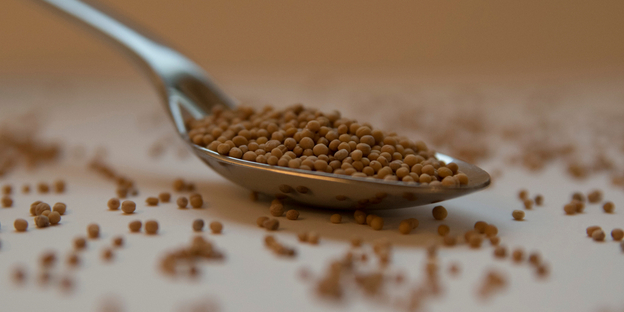


The Most Underrated Spice in Your Pantry
If you had to name the most underrated spice in the American kitchen, mustard seeds would be a strong contender. Most home cooks know mustard as the yellow stuff in a squeeze bottle, but the seeds behind that condiment are a completely different story. Tiny, aromatic, and packed with flavor, mustard seeds have been a cornerstone of cooking traditions stretching from the American South to South Asia to the Mediterranean for thousands of years.
Yet here in the United States, many home cooks walk right past them in the spice aisle. That’s a shame, because once you learn how to use mustard seeds, they become one of the most versatile tools in your culinary arsenal. They can add a nutty pop to a salad dressing, transform a pot of braised greens, give a pickle brine real backbone, or form the flavor base for an entire curry.
This guide is going to change your relationship with mustard seeds. We’ll cover the main varieties, what makes each one distinct, how to cook with them like a pro, their well-documented health benefits, and practical tips for pairing and storage. By the end, you’ll have everything you need to start experimenting with confidence.
The Main Types of Mustard Seeds: Yellow, Brown, and Black
Before you can cook intelligently with mustard seeds, you need to know what you’re working with. There are three primary types, each with a distinct flavor profile and best-use case.
Yellow Mustard Seeds (White Mustard)
Yellow mustard seeds — sometimes called white mustard seeds — are the mildest of the three. These are the seeds most commonly used in American yellow mustard and many commercial pickling blends. They have a bright, tangy flavor that’s more assertive than it first appears but never aggressive. Their high mucilage content makes them ideal for pickling brines because they help thicken the liquid slightly. If you’re new to cooking with whole mustard seeds, yellow is the easiest entry point.
Brown Mustard Seeds
Brown mustard seeds sit in the middle of the heat spectrum — noticeably spicier and more complex than yellow, but more manageable than black. They’re the workhorse seed of Indian cooking, where they’re often fried in hot oil until they pop and crackle, releasing a rich, nutty fragrance before other ingredients hit the pan. Brown seeds are also the base for Dijon mustard and most whole-grain mustard preparations. Their earthy, slightly bitter undertone makes them incredibly adaptable across cuisines.
Black Mustard Seeds
Black mustard seeds are the smallest and most pungent of the trio. In South Indian cooking, they’re nearly non-negotiable — tempered in oil at the start of a dish, they add a deep, smoky sharpness that defines the flavor of dishes like sambar, rasam, and countless chutneys. Because of their intensity, a little goes a long way. They can be difficult to find in mainstream grocery stores, but specialty Indian and international food markets usually carry them.
What Makes Brown Mustard Seeds Special
Among the three varieties, brown mustard seeds deserve a closer look — particularly for American home cooks who want to branch out without diving into the deep end.
The magic of brown mustard seeds lies in how dramatically their flavor changes with heat and moisture. A raw brown seed tastes sharp and slightly bitter. Dry-toast them in a skillet and they turn nutty and mellow. Drop them into hot oil and they bloom into something almost popcorn-like — fragrant, rounded, and far more complex than their size suggests. Crush them into a paste with water and vinegar and a fresh, sinus-clearing heat emerges. Few spices offer that range of expression depending on how you treat them.
This versatility is why serious cooks tend to keep brown mustard seeds stocked at all times. Whether you’re making a quick weeknight stir-fry, brining a batch of pickles, or slow-cooking a pot roast, there’s a technique that puts these seeds to work. If you want to try sourcing a quality batch, look for whole, unbroken seeds with a deep reddish-brown hue — the fresher the better. A good place to start is a dedicated spice retailer that sells
This versatility is why serious cooks tend to keep brown mustard seeds stocked at all times. Whether you’re making a quick weeknight stir-fry, brining a batch of pickles, or slow-cooking a pot roast, there’s a technique that puts these seeds to work. When sourcing, look for whole, unbroken seeds with a deep reddish-brown hue — the fresher the better. A good place to start is a dedicated spice retailer that sells brown mustard seeds in small, high-turnover batches rather than warehouse-sized containers that sit on shelves for months.
How to Use Mustard Seeds in Cooking
There are several distinct techniques for cooking with mustard seeds, and knowing when to apply each one is the real key to getting the most out of them.
Tempering (Tadka)
Tempering is a fundamental technique in Indian cooking where whole spices are briefly fried in hot oil or ghee at the start of a dish. For mustard seeds, this means heating oil in a heavy pan until shimmering, then adding the seeds and waiting for them to pop and dance — usually 30 to 60 seconds. The moment they start popping, you add the next ingredients. The bloomed seeds infuse the oil with flavor that then coats everything in the dish. This technique works beautifully for lentil dishes, rice, sautéed vegetables, and even scrambled eggs.
Pickling
Mustard seeds are a classic pickling spice for good reason. They add both flavor and a subtle textural pop to pickled vegetables, and their natural compounds act as a mild preservative. Yellow seeds are most common in American pickling recipes, but brown seeds add extra complexity to pickled onions, beets, and cauliflower. Toss whole seeds into your brine along with dill, peppercorns, bay leaves, and garlic for a deeply aromatic result.
Dry Toasting
Dry toasting whole mustard seeds in a skillet over medium heat for two to three minutes awakens their nuttier, more mellow side. Once cooled, you can grind them into a coarse powder or leave them whole and use them as a finishing touch for salads, roasted vegetables, or grain dishes. Dry-toasted mustard seeds also make an excellent addition to homemade spice rubs for meats.
Grinding into Mustard Paste or Powder
Grinding whole seeds gives you full control over your mustard’s flavor and texture. For a fresh dry mustard powder, grind seeds in a spice grinder and use immediately — the volatile compounds that create mustard’s heat are activated when the seed coat is broken and moisture is introduced. For a homemade whole-grain mustard, mix coarsely crushed seeds with vinegar, a pinch of salt, and whatever aromatics appeal to you. Let it sit overnight and you’ll have a condiment that blows any store-bought version out of the water.
Adding to Braised Dishes and Slow Cooks
Whole mustard seeds hold up beautifully in long braises. They soften over time, losing most of their sharpness and absorbing the surrounding flavors while contributing a subtle earthiness. Try adding a tablespoon to braised short ribs, slow-cooked collard greens, or a pot of black-eyed peas.
Health Benefits Worth Knowing
Beyond flavor, mustard seeds bring a genuinely impressive nutritional profile to the table. They’re not a miracle food, but they’re far more than just a seasoning.
- Rich in selenium and magnesium, two minerals that support thyroid function, muscle health, and immune response.
- Contain glucosinolates, sulfur-containing compounds that research suggests may have protective effects against certain types of cellular damage.
- High in omega-3 fatty acids relative to their size, which supports heart health and reduces inflammation.
- A source of dietary fiber, which supports digestive health and helps maintain steady blood sugar levels.
- Contain B vitamins including folate and niacin, important for energy metabolism and nervous system function.
- Traditional Ayurvedic medicine has long used mustard seeds to stimulate digestion and improve circulation.
It’s worth noting that heat can reduce some of the bioavailability of certain compounds in mustard seeds, which is one reason some nutritionists recommend incorporating ground raw seeds into dressings and sauces in addition to cooking with them whole.
Flavor Pairing Guide
Mustard seeds are natural team players. Understanding what they pair well with will help you improvise confidently in the kitchen.
- Acids (vinegar, lemon juice, tamarind): Brighten mustard’s nuttiness and help balance its bitterness. This is why mustard and vinegar are such a classic combination in dressings and pickles.
- Alliums (onion, garlic, shallots): Mustard seeds tempered with onions form the flavor base of countless curries and braised dishes. The two ingredients complement each other’s pungency.
- Turmeric and cumin: These earthy, warm spices balance mustard’s sharpness and create the foundation of many South Asian spice blends.
- Honey and maple syrup: Sweetness tames mustard’s bite and creates balanced vinaigrettes and glazes for roasted vegetables or grilled meats.
- Cream and butter: Fat rounds out mustard’s sharp edges. A pan sauce finished with whole-grain mustard and cream is one of the most reliable preparations in French-inspired cooking.
- Fresh herbs (dill, tarragon, thyme): Herbal brightness contrasts beautifully with mustard’s earthiness. These combinations work especially well in salad dressings and marinades.
- Cruciferous vegetables (cabbage, cauliflower, Brussels sprouts): The shared sulfur compounds in both mustard and brassicas create a natural affinity. A quick sauté of shredded cabbage with tempered mustard seeds is a revelation.
Storage Tips: Keeping Your Mustard Seeds Fresh
Like all whole spices, mustard seeds keep best when protected from heat, light, and moisture. Follow these guidelines to get the most shelf life from your seeds.
- Store in an airtight glass jar away from your stove and any direct sunlight. A cupboard or pantry shelf away from heat vents is ideal.
- Whole mustard seeds have a shelf life of two to four years when stored properly. Once ground, the clock speeds up significantly — use mustard powder within six months.
- Do not refrigerate whole mustard seeds. The humidity from repeated temperature changes can cause moisture to accumulate inside the jar, which accelerates spoilage.
- Buy in quantities you’ll use within a year. Fresher seeds have more volatile aromatic compounds, which means more flavor.
- To test freshness, toast a few seeds in a dry pan. They should pop and release a strong, nutty fragrance within 60 seconds. If they just sit there smelling faintly of nothing, it’s time for a new batch.
Sourcing matters here too. When you pick up a quality
Sourcing matters here too. When you pick up a quality mustard seed from a reputable spice supplier with high turnover, you’re getting seeds that haven’t been sitting in a warehouse for two years. That freshness translates directly into more vibrant flavor in your cooking. It’s one of those small investments that pays off every single time you open the jar.
Start Small, Cook Bold
Mustard seeds are proof that the best flavor upgrades in cooking often come from the simplest, least expensive ingredients. You don’t need exotic equipment or professional training to use them well — you just need a hot pan, a little curiosity, and the willingness to experiment.
Start with something low-stakes: heat a tablespoon of olive oil in a skillet, add a teaspoon of brown mustard seeds, wait for the pop, then pour that fragrant oil over a bowl of roasted potatoes or steamed green beans. Taste the difference. That single technique, mastered in under two minutes, will change the way you think about everyday cooking.
From there, the possibilities open up. Try them in a pickle brine. Build a homemade vinaigrette around freshly ground seeds. Experiment with tempering for your next batch of lentil soup. Make a quick whole-grain mustard and put it on everything for a week.
The best cooks aren’t necessarily the ones with the most elaborate recipes — they’re the ones who understand their ingredients deeply and know how to coax the most flavor out of them. Mustard seeds are a master class in that kind of cooking. All you have to do is give them a chance.