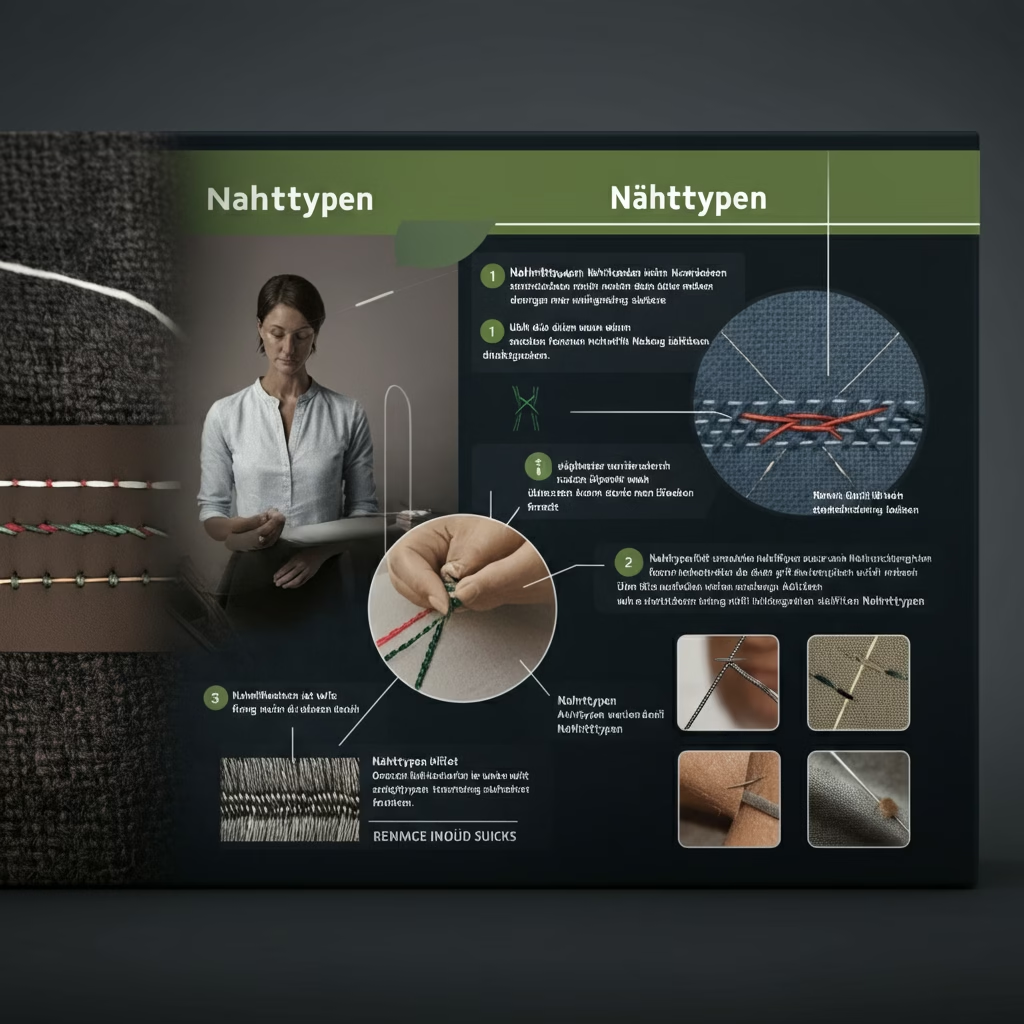
In the world of fashion and textile engineering, durability is one of the most important yet often overlooked characteristics. Consumers are increasingly focused on sustainability, longevity, and value for money, making the durability of garments more critical than ever. One key factor that significantly influences clothing durability is the type of seam—known in German as “Nahttypen.”
From a casual t-shirt to a technical jacket, the way a garment is sewn plays a pivotal role in how long it lasts, how it performs, and how well it withstands wear and tear. In this article, we explore the role of Nahttypen (seam types) in enhancing the durability of clothing, examining both the technical and practical implications.
Understanding Nahttypen What Are They?
“Nahttypen” is the German term for types of seams used in the construction of garments. Seams are the points where two pieces of fabric are joined together using stitching. While this may seem like a simple aspect of garment construction, seam selection is both a science and an art, as different Nahttypen serve different purposes.
Some common seam types include:
-
Plain seam (einfache Naht)
-
Flat-felled seam (Kappnaht)
-
French seam (Französische Naht)
-
Overlocked seam (Overlocknaht)
-
Double-stitched seam (Doppelte Naht)
-
Bound seam (eingefasste Naht)
Each type of seam has its own structural properties, aesthetics, and suitability depending on the fabric and intended garment use.
Why Seam Types Matter for Durability
Seams are the stress points of clothing. They bear tension when we move, stretch, or wear clothes repeatedly. A poorly chosen or constructed seam can lead to:
-
Premature tearing
-
Seam slippage
-
Puckering
-
Fraying
This is where Nahttypen come in—selecting the right seam type can extend the life of a garment significantly. Here’s how:
1. Strength Distribution
Different seams distribute stress differently. For example, flat-felled seams are incredibly strong and ideal for jeans and heavy-duty workwear because they distribute tension over a larger area.
2. Fray Prevention
Certain Nahttypen, such as French or bound seams, encase raw edges, preventing the fabric from fraying and unraveling over time.
3. Flexibility
Stretch garments require seams that can expand and contract. Overlocked seams and coverstitching are perfect for activewear and knits, preserving flexibility without tearing.
4. Water and Wind Resistance
Some seam types are more weather-resistant, especially when paired with sealing techniques. In outerwear, taped seams or sealed flat seams prevent moisture and wind from penetrating the garment.
Key Nahttypen and Their Durability Contributions
Let’s explore the most commonly used Nahttypen in detail and understand how each contributes to garment longevity.
1. Plain Seam (Einfache Naht)
This is the most basic seam and widely used in lightweight and fashion garments. While it’s simple, its durability depends largely on:
-
Stitch quality
-
Tension settings
-
Fabric compatibility
Though not ideal for high-stress areas, reinforcing plain seams with topstitching can improve strength.
2. Flat-Felled Seam (Kappnaht)
Seen in jeans and heavy-duty apparel, the flat-felled seam is extremely strong and abrasion-resistant. Its double-folded, double-stitched construction encloses raw edges, making it ideal for:
-
Workwear
-
Denim garments
-
Outdoor apparel
This seam enhances both aesthetic appeal and structural strength.
3. French Seam (Französische Naht)
Perfect for delicate and sheer fabrics like silk and chiffon, the French seam is both neat and durable. It conceals raw edges inside the seam itself, minimizing:
-
Irritation on skin
-
Fraying
-
Distortion after washing
It’s a popular choice for luxury garments where longevity and fine finish are paramount.
4. Overlock Seam (Overlocknaht)
This is a high-speed, efficient seam used extensively in mass production. An overlock machine cuts the fabric edge while sewing, locking the threads over the edge.
-
Used commonly in t-shirts, leggings, and sportswear
-
Provides stretchability
-
Prevents edge fraying
However, if the thread quality is poor or improperly tensioned, it can unravel faster.
5. Double-Stitched Seam (Doppelte Naht)
Two rows of stitching give this seam added strength. It’s often used in high-stress points such as:
-
Crotch areas
-
Armholes
-
Side seams
This Nahttyp increases tear resistance, especially in fitted or movement-heavy garments.
6. Bound Seam (Eingefasste Naht)
This seam involves wrapping the raw edge with a binding, usually bias tape. It is both aesthetically appealing and protective.
-
Common in jackets, suits, and high-end garments
-
Adds structure
-
Protects from wear and unraveling
Although labor-intensive, bound seams drastically improve edge durability.
Fabric and Seam Compatibility
The relationship between fabric type and Nahttyp is crucial. You can’t apply the same seam to denim as you would to chiffon. Compatibility ensures that the seam doesn’t become the garment’s weak point.
| Fabric Type | Recommended Nahttypen | Durability Contribution |
|---|---|---|
| Denim | Flat-felled, double-stitched | High abrasion resistance |
| Jersey/Knit | Overlock, coverstitch | Flexibility, stretch preservation |
| Silk | French seam | Edge protection, smooth finish |
| Nylon | Bound seam, sealed seam | Water resistance, clean finish |
| Canvas | Flat-felled, reinforced plain | Long-term structural strength |
Technological Advances in Seam Durability
Modern technology has introduced innovative seam techniques that extend durability even further:
1. Seam Sealing
Often used in waterproof outerwear, seam tape is applied over seams to prevent moisture intrusion. Combined with seam welding, it provides long-lasting performance in extreme conditions.
2. Ultrasonic Seam Welding
This technique uses high-frequency vibrations instead of thread. It is particularly useful for synthetic fabrics, providing smooth, non-bulky, and high-durability seams.
3. Laser Bonding
Laser bonding fuses fabric layers without traditional stitching. It creates airtight and watertight seams, perfect for technical sportswear and hazmat suits.
These methods enhance durability while keeping garments lightweight and comfortable.
Role in Sustainable Fashion
Durability isn’t just a selling point—it’s a sustainability strategy. Fast fashion has long ignored seam quality, leading to disposable clothing. But with consumers becoming eco-conscious, seam durability is at the forefront of sustainable design.
Benefits of Seam-Focused Sustainability:
-
Longer wear time reduces landfill waste.
-
Fewer repairs and replacements lower environmental impact.
-
Higher consumer satisfaction leads to brand loyalty.
Many sustainable brands now emphasize Nahttypen in their marketing, highlighting not only the materials used but also the construction techniques that ensure longevity.
Testing Seam Durability Industry Standards
In professional garment manufacturing, seam durability isn’t left to guesswork. It is tested and quantified using standards such as:
-
ASTM D1683 – Seam failure in woven fabrics.
-
ISO 13935-2 – Seam strength using grab test.
-
ISO 13936-2 – Seam slippage in woven fabrics.
These tests determine:
-
Breaking strength
-
Slippage under tension
-
Seam elongation properties
For manufacturers, passing these tests is critical in meeting quality assurance benchmarks, especially in military, medical, and sports apparel industries.
Consumer Tips How to Spot Durable Seam Types
For consumers looking to invest in long-lasting garments, here’s what to look for:
-
Double rows of stitching in high-movement areas.
-
Flat-felled or French seams in shirts and trousers.
-
Overlocked edges in stretchy or casualwear.
-
Bound seams in jackets or formalwear.
Also, stretch the seam gently—a good seam won’t show gaps or loose threads. Visibly clean, tightly sewn seams are a good indicator of durability.
Conclusion: Nahttypen – The Unsung Heroes of Clothing Durability
In the pursuit of long-lasting fashion, much attention is given to fabric quality and brand reputation. But Nahttypen, or seam types, play an equally important—if not more critical—role in determining how a garment performs over time.
Whether it’s a sturdy pair of jeans with flat-felled seams or a delicate silk blouse with a French seam, the choice of Nahttyp can make or break the longevity of the clothing. For designers, manufacturers, and consumers alike, understanding the power of proper seam construction is a step toward more durable, sustainable, and well-crafted clothing.